Emotional Trauma From Parents: Signs & How to Heal
Have you ever wondered why certain relationships feel harder than they should, you struggle to set boundaries, or conflict feels extra difficult? Emotional trauma from parents might be part of the story. If this resonates, you're in the right place.
I'm a licensed therapist and mother-daughter coach, and I've worked with many women who are piecing together how their childhood shaped them. Some come in already knowing it's trauma, while others just know something feels off.
Emotional trauma from a parent doesn't require a dramatic single event. It can come from years of subtle neglect, emotional abuse, harsh criticism, or unpredictable moods — or from a parent who simply didn't know how to meet your emotional needs. No matter how you experienced it, it can stay with you and often carry into adulthood.
In this article, we'll explore what emotional trauma from parents actually looks like, how to recognize it in yourself, and how you can start the healing process.
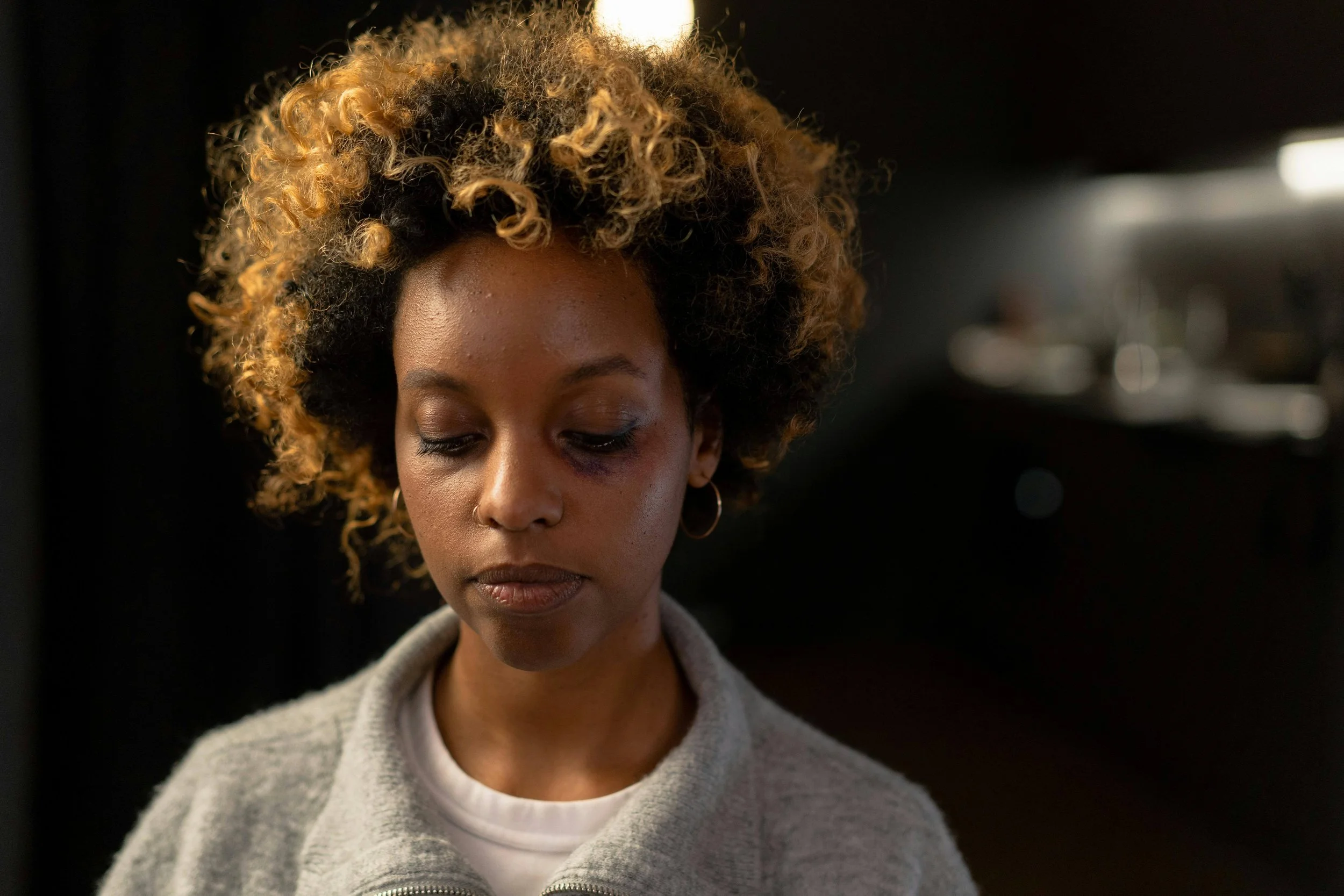
What is emotional trauma from parents?
Emotional trauma from parents looks different for everyone, but can be defined as the impact of a parent's words, actions, or emotional absence during childhood. It can come from outright emotional abuse or more subtle experiences, like a parent being unemotionally available.
A parent’s emotional abuse doesn't always look like cruelty. Some of the most painful dynamics come from well-meaning parents who were struggling themselves.
No matter the situation, your experience is valid — and you're not alone. According to CDC research, emotional abuse is the most commonly reported Adverse Childhood Experience (ACE), with an estimated 34% of U.S. adults reporting they experienced it in childhood. Many cases go unrecognized or unreported, so the true number is likely higher.
Signs of Emotional Trauma From Parents
Emotional trauma shows up differently for everyone, but these are some of the most common signs:
Difficulty trusting others or constantly waiting for people to leave
People-pleasing, even at the cost of your own needs
Fear of conflict or shutting down when situations become overwhelming
Staying in relationships that feel familiar, even when they're unhealthy
Struggling to set boundaries without feeling guilty
A harsh inner critic that sounds a lot like a parent's voice
Chronic feelings of shame or never feeling like enough
Feeling responsible for other people's emotions
Difficulty identifying or expressing how you feel
Anxiety that feels persistent but hard to explain
Emotional numbness or disconnection from yourself
Intense reactions to situations others seem to handle easily
You might experience some, most, or all of these. If so, know that healing is possible.
What Unhealed Childhood Trauma Can Look Like in Adult Life
Recognizing the signs is one thing, but unhealed trauma often shows up in your daily life in ways you might not connect to your past at all. Here are some examples of how this can look:
Self-sabotage - You get close to experiencing something good, and then pull back. This might be an unconscious response rooted in early experiences where good things didn't last.
Chronic overgiving - If you learned to earn love through effort, this can end up looking like exhaustion and never feeling like you can just be.
Staying busy to cope - When anxiety is your baseline, calmness can feel unusual and threatening to your nervous system. Being busy becomes a way to avoid these feelings.
Repeating relational patterns - People naturally seek what's familiar. If you grew up walking on eggshells, you might find yourself doing the same in adult relationships.
The mother-daughter wound - If you grew up feeling like you had to earn your mother's approval, manage her emotions, or shrink yourself to keep the peace, you may be carrying a mother wound. This can affect how you show up in relationships, how you parent your own children, and how you feel about yourself.
When you have unhealed trauma, your nervous system does what it learned to do to be protective. The healing process allows you to understand those patterns and begin to change them.

How to Deal With Emotional Trauma From Parents
Dealing with emotional trauma from your parents doesn't mean simply learning to live with it. It means beginning to understand it. A good starting point is to name what happened and allow yourself to feel it. Journaling can be a helpful way to start seeing your own patterns more clearly and process your feelings.
Building a support system is also incredibly helpful. People who grew up in emotionally unsafe homes often default to isolation as a learned response. Whether it’s trusted friends, family members, or a therapist, having people around you who feel safe directly counters what the trauma taught you about relationships.
How to Start Healing From Emotional Trauma From Parents
Healing from emotional trauma takes time and looks different for everyone, but it is possible. The steps below can help guide you.
Work with a therapist or coach
Trauma-informed therapy through approaches like EMDR, somatic therapy, or attachment-based therapy can help you process experiences stored in the body. Coaching is also great for the practical work of understanding your past and how it’s shaing the present, plus how to make changes. For example, I’m a coach with a background in therapy who helps daughters heal from emotional trauma from their mothers to create more fulfilling lives and relationships.
Reparent your inner child
Reparenting your inner child allows you to connect with and care for your younger self. You can give your inner child what you didn’t receive, such as kindness, emotional validation, and patience when you struggle. This can feel uncomfortable at first, especially if your inner critic is loud. But over time, you’ll start to feel the difference and see the changes in how you experience yourself and the world around you.
Set boundaries
As you work through healing from emotional trauma, setting boundaries is crucial. Boundaries allow you to protect your energy, limit experiences that are harmful, care for your mental health, and create space for healing to actually happen. This might look like limiting certain conversations with a parent, creating distance from relationships that feel draining, or simply giving yourself permission to say no without guilt.
Consider the relationship with your parents
Sometimes healing happens within the relationship. Other times it requires stepping back and going limited or no contact. This depends on what the dynamics look like with your parents. If they’re willing to work through the challenges, you might go to coaching or therapy together. Through Reconnection Rescue, I help mothers and daughters to develop a deeper understanding of themselves and each other for a better relationship.
Take care of yourself
Healing from trauma can be overwhelming and exhausting. While the healing process is important, it’s also important to take care of yourself. This might look like spending time with loved ones, enjoying hobbies, exercising, and getting good rest. These practices can also help you regulate your nervous system, which is needed when working through trauma.

Emotional Trauma From Parents: FAQs
What is childhood emotional trauma?
Childhood emotional trauma is the result of one or more stressful experiences. This could result from abuse, neglect, emotional unavailability, or chronic unpredictability from a parent or caregiver. Unlike a single distressing event, childhood emotional trauma often involves repeated experiences over time that shape how a child understands themselves, relationships, and safety.
What are the symptoms of trauma from parents?
Common symptoms of trauma from parents include chronic anxiety, difficulty trusting others, low self-worth, people-pleasing behaviors, emotional dysregulation, and struggles with boundaries. Trauma is also stored in the body, so there can also be physical symptoms, like tension, fatigue, digestive issues.
Can you inherit trauma from your parents?
Generational cycles, which are behavior patterns that are repeated in families with each new generation, suggest that trauma can be passed down from parents. A child whose parent experienced significant trauma can absorb stress responses, emotional dysregulation, and insecure attachment patterns. This can be and often is unintentional, but awareness and healing is necessary for breaking the cycle.
What are signs of unhealed childhood trauma?
Signs of unhealed childhood trauma in adults include persistent self-doubt, difficulty in relationships, emotional reactivity, and self-sabotaging behaviors. You might also experience stress that doesn’t make sense for the situation, which can happen when your nervous system is actually responding to the past.
Emotional Trauma From Parents: Conclusion
Emotional abuse or trauma from parents can feel very overwhelming and confusing, but understanding what it looks like and how it shows up is the first step to healing. From there, you can begin to work through the emotional trauma from your mother or father, break the cycle, and improve the relationship you have with yourself and others.
If you’d like support, I’d be happy to help through one of my coaching programs:
One-to-one - Heal your inner child and reconnect with yourself in a safe and supportive environment
Mother-daughter - Reconnection Rescue is a private, twelve-week coaching program for mothers and daughters ready to come together and build a stronger relationship
Group - Join others who have experienced emotional trauma from parents in a shared healing experience